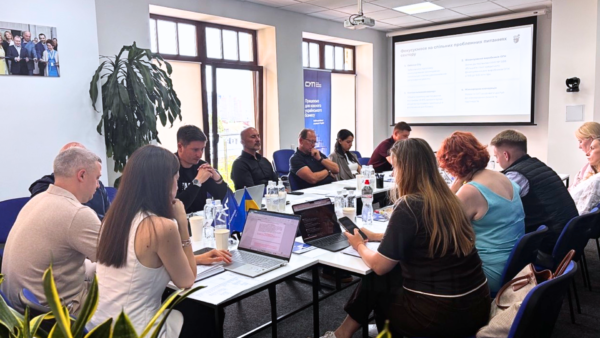
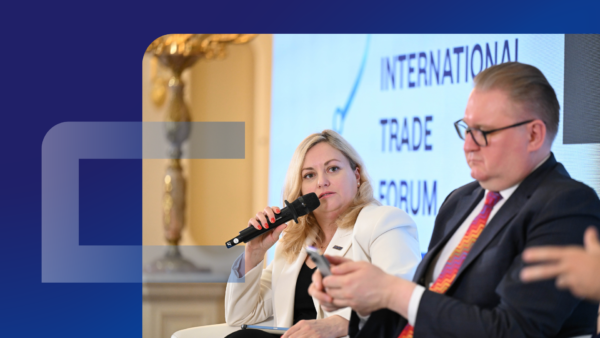
At the IACC International Anti-Corruption Conference in Vilnius, SUP Executive Director Kateryna Glazkova participated in a CIPE workshop, part of the Global Initiative to Engage the Private Sector as a Partner in the Fight Against Corruption (GPS). The workshop focused on empowering SMEs, effective strategies, challenges, and success stories of SMEs in raising integrity standards in society.
“85% of SUP members are SMEs, and they play a significant role in advocating anti-corruption measures and promoting reforms in the integrity sector. They actively leverage their local presence, form industry committees, engage in public-private partnerships, use digital tools, advocate for legal reforms, promote ethical practices, and interact with international organizations. SMEs are like small fish in the sea: individually they are vulnerable, but together they can drive away the sharks,” noted Kateryna Glazkova.
- Additionally, Kateryna discussed the activities of the Union and the advocacy of business interests, sharing key points on:
- Initiatives and impact results of business associations on improving the legal system
- Advantages of collective interaction aimed at fighting corruption and promoting transparency
- Challenges related to promoting collective action initiatives
- Problems that encourage SMEs to take collective action or initiatives
- Factors that make collective action initiatives sustainable
- Recommendations for SMEs seeking ways to engage in collective action and advocacy
SUP’s participation in collective action initiatives has strengthened its authority and legitimacy, making it a more influential voice in advocating business reforms. This authority also attracts support from international organizations and donors.
SUP has a good example of joint initiatives from 8 specialized committees, where their participants advocate for the use of reliable data and research to strengthen arguments and proposals. This interaction plays an important role in raising awareness, building capacity, and creating common codes of conduct.
“It is important to implement clear and fair rules for all participants. It is worth creating a transparent, predictable, and fair regulatory framework that minimizes opportunities for corruption. Simplifying procedures and reducing bureaucratic hurdles to ease compliance for SMEs is crucial”, – emphasizes Kateryna Glazkova.